
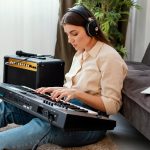
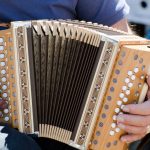
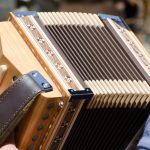


Digital accordions combine Roland V-Accordion technology and MIDI, abandoning heavy reeds in favor of lightweight modeling, less than 10 pounds instead of 25, which liberate the producer to stack folk soul on top of electronic beats without dragging equipment.
Sound Engine Revolution
FR-series engines sample acoustic reeds and reconstruct bellows phrasing, vibrato, musette tuning. Dynamics are captured by touch-sensitive keys; squeeze nuance is imitated by breath controllers. Change in mid-set: Cajun triplet to tango bandoneon to polka oom-pah.
MIDI Production Power
USB/MIDI out is used to activate DAW soft-synths drop accordion melody into Ableton, left-hand basses to drum machines. Auto swell bellows through CC11; arpeggiator transforms chords into Nordic humppa. GarageBand demos drop to $0; pro Roland FR-8X sells at 3K.
Workflow Wins
Stage: Headphone-powered silent practice. Studio: Multi-timbral layers violin swells leads on polka. Film score: The zydeco grit of the West; the anthems of indie folk (Lumineers) to ads.
Genre-Bending Impact
EDM musicians cut accordion loops of folktronica; rappers cut riffs of nortecho. Choreo layers K-pop musette waltz; Bollywood Rajasthani squeezebox. Piazzolla covers are done by virtual YouTubers on a hardware-free basis.
Accessibility Boom
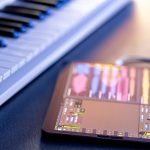
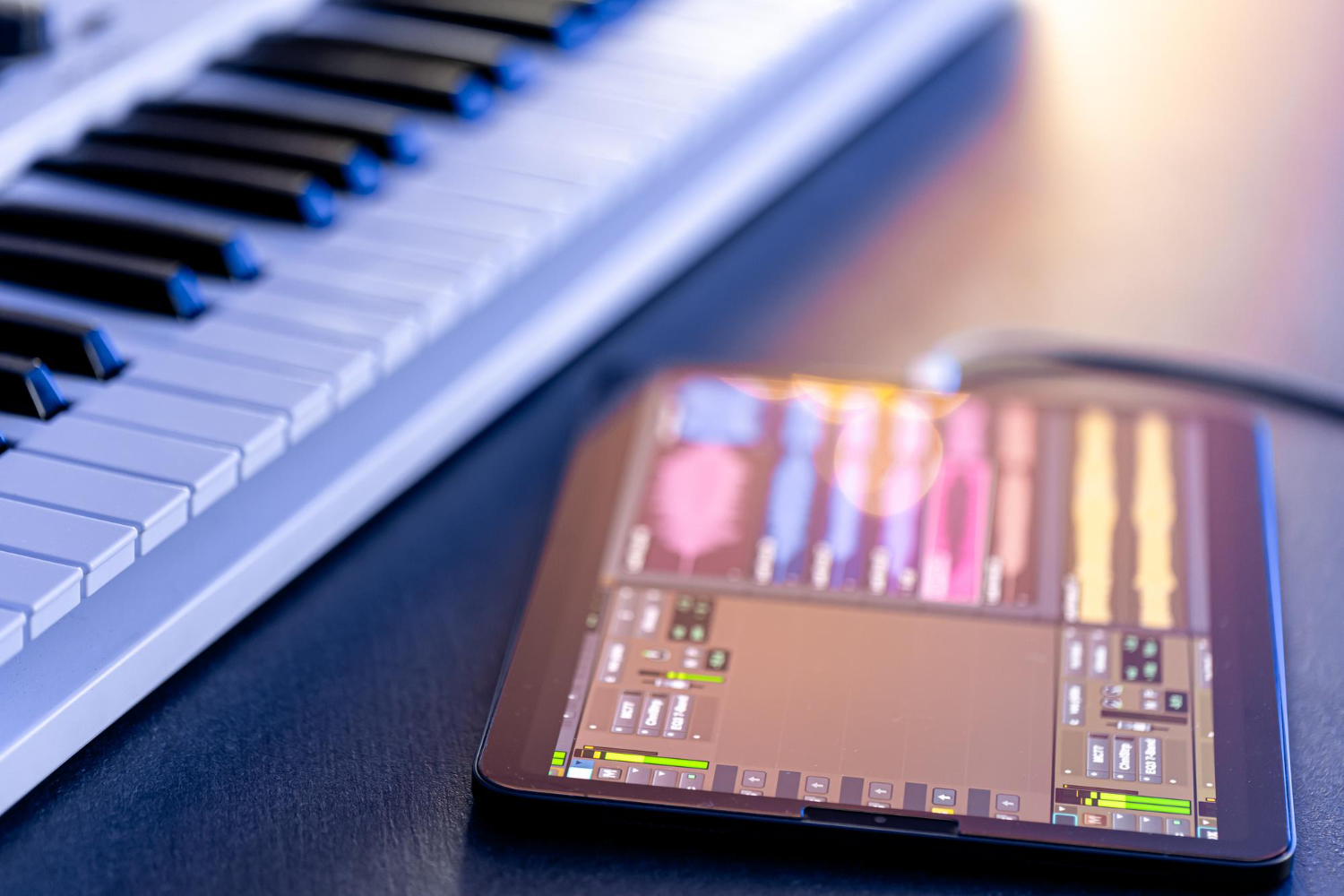
Applications such as Accordion Prime (10) are used to transform iPads into controllers; free VSTs (Ample Sound) make sound available to everyone. MIDI mapping is taught online courses – bedroom beatmakers are making viral Tik Tok polkas.
Future Horizon
AI studies the style of play, comes up with harmonies. Haptic feedback models bellows resistance. Digital accordions fold tradition into code-polka drops are propelled by the pumps, Cajun cries plague synthwave. Manufacturers squeeze the world roots into the next hits.