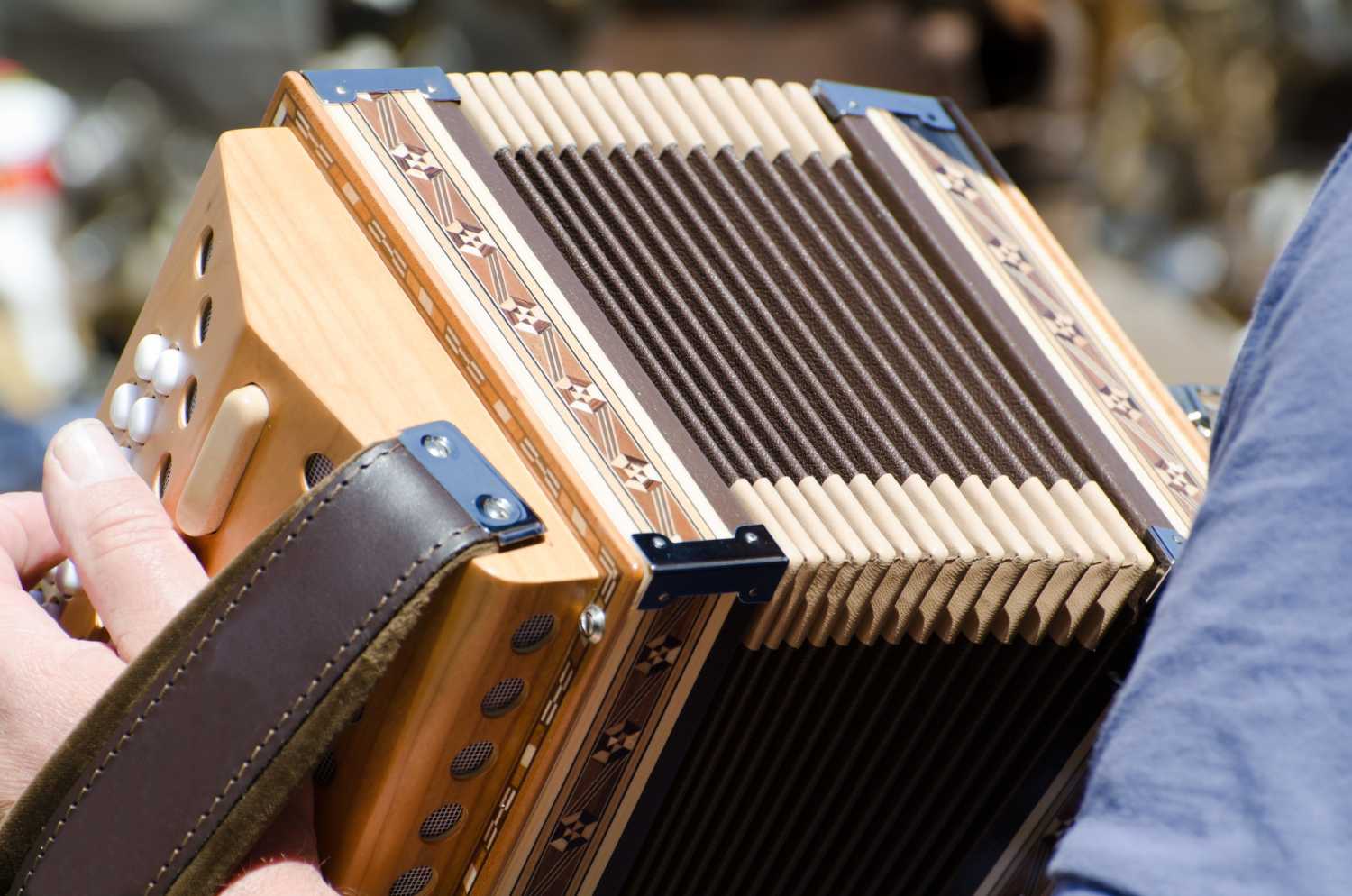




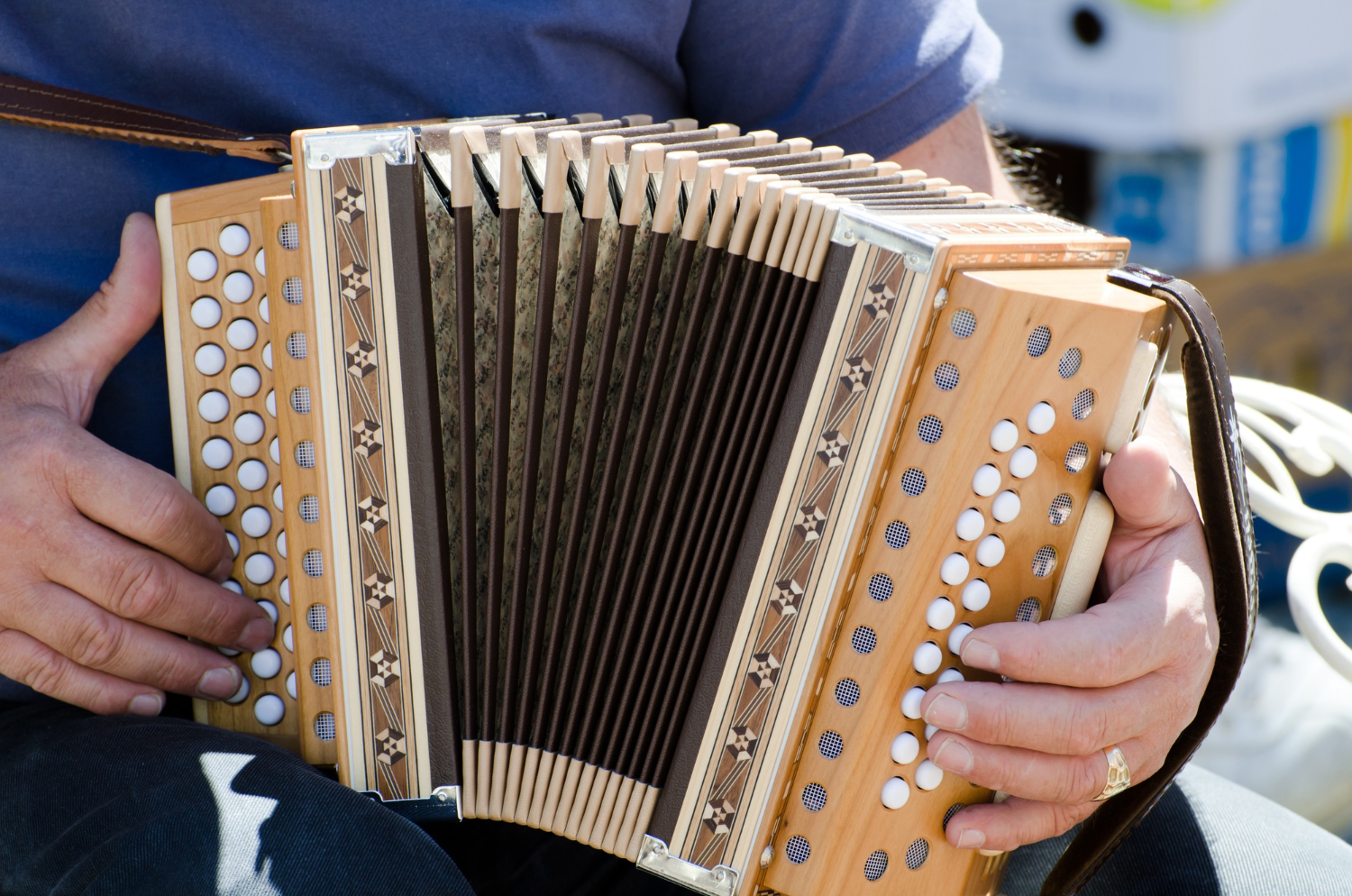
Both concertinas and accordion use bellows to squeeze reeds, however, differing in design, grip and vibe – beginners should select according to genre and portability.
Body and Button Layout
Concertinas hold the palm in hexagon and the ends both had the buttons that the thumbs/fingers played- no straps. English models move the notes of the melody alternately in sides (push-pull); Anglo in the same sides. An accordion is fastened over the shoulders, right-hand piano keys/buttons to melody, left bass/chord buttons- bulkier one-man band.
Size and Portability
Concertinas become pocket-sized (412 inches across); 6-inch trebles are used with folk jam. Accordions weigh 1525 pounds, piano models 1248 bass -stage giants v. fireside companions.
Sound and Playing Style
Concertina reeds are more of a wind-like song, best to Celtic tunes, Morris dance. Bellows phrasing requires the subtlety of the wrist. Accordions swell out more harmonies through left-hand chords; diatonic buttons plunk polka rhythm, chromatic tackle tango/classical.
Genre Homes
Irish/English folk is dominated by concertinas (John Kirkpatrick). The Cajun/zydeco, polka, French musette, Piazzolla tango (louder to dance) are predominated by accords.
Cost and Beginner Pick
Concertinas begin at $300 (Lachenal reproductions); old Stagi at $500. Accords $400 (Hobner Student) to $5K pro. Folk musicians seize concertina to get close; concertina band chiefs decide to use accordion strength.
Quick Choice Guide
Folk sessions/portability? Concertina. Full band sound/dance rhythms? Accordion. Both instruct bellows breath–begin 15 minutes daily, melody-first.
Concertina speaks tradition; accordion, celebration–choose thine squeeze.